.png?width=698&height=417&name=%E5%AE%98%E7%B6%B2logo%20(1).png)


11. May. 2026
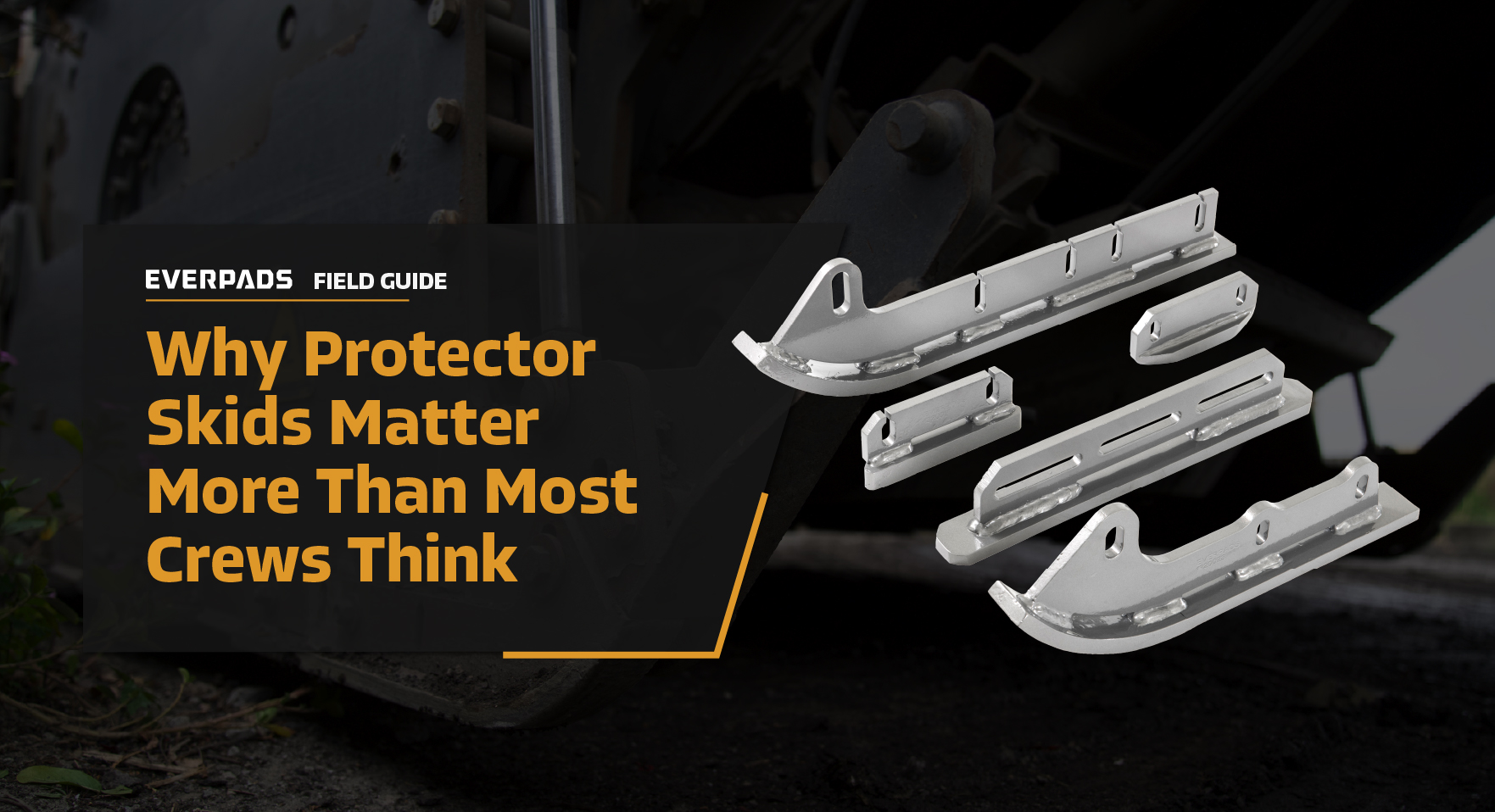
You can replace teeth, tune settings, and still lose the night—because some of the most expensive milling problems start in the parts crews rarely blame first.
In real cold milling work, protector skids do far more than protect contact surfaces. They influence machine stability, milling depth consistency, operator correction rate, edge control, and the hidden cost of getting the lane closed out on time.
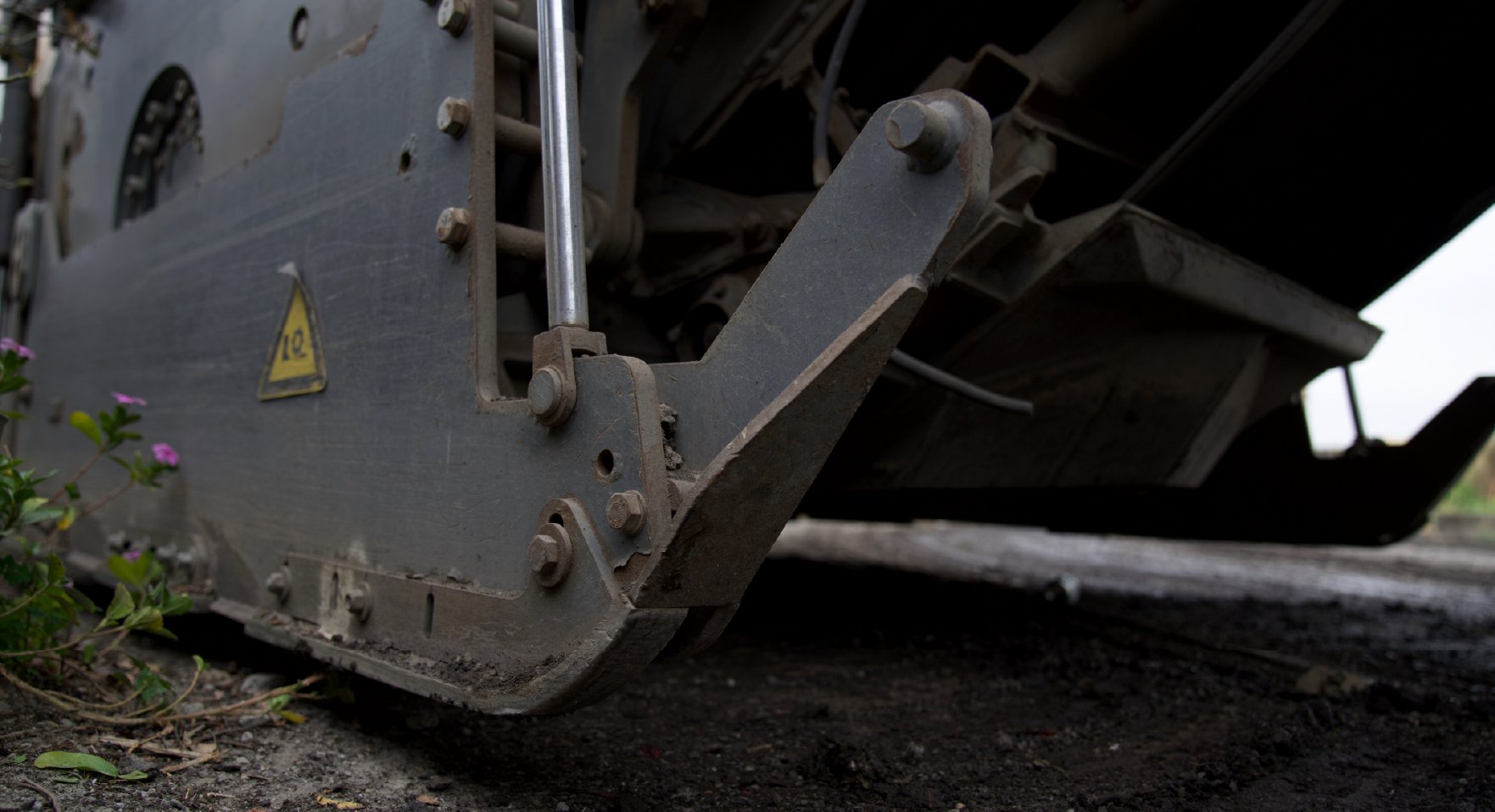
Scope note: In this article, “protector skids” refers to wear shoes, wear skis, and sliding pads associated with protected contact and stable machine support behavior during milling.
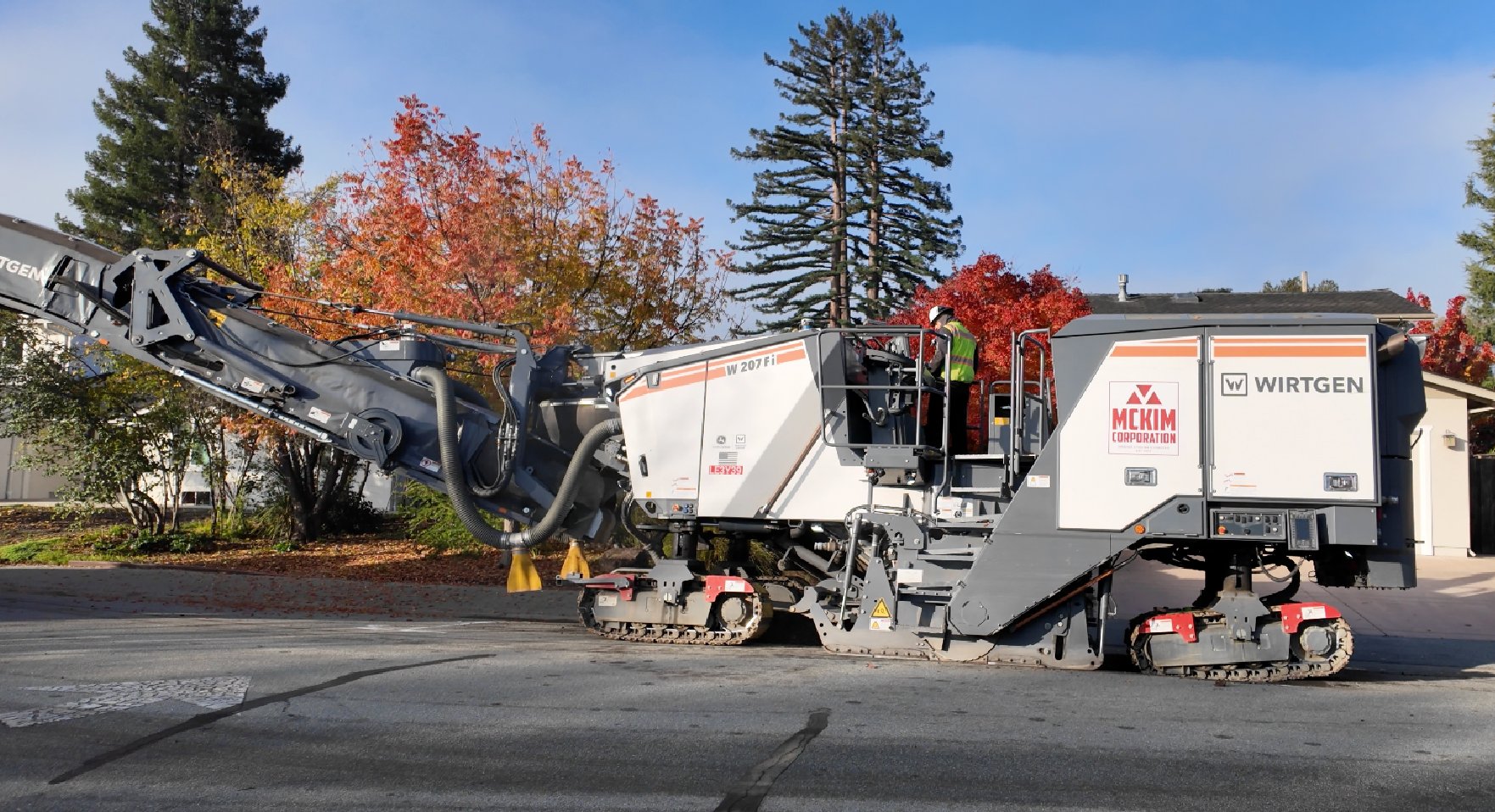
Table of Contents
- Why Contractors Should Care
- What Protector Skids Actually Affect
- Why Protector Skids Matter to Depth Stability
- The Job Feels Worse Before It Looks Broken
- Why “Protection Only” Is the Wrong Way to Think About Them
- What Poor Protector Skid Condition Can Cost You
- Early Warning Signs to Watch
- Quick Diagnosis Map
- A 5-Minute Protector Skid Check
- Main Takeaway
- FAQ
Protector skids are not just protection parts.
They help the machine stay stable enough to:
- hold milling depth more consistently
- reduce unnecessary operator correction
- improve edge and transition control
- protect production confidence
- reduce hidden cost per square meter
When skid wear gets uneven or unstable, the machine may still run, but the job often starts to feel less planted, harder to control, slower to finish, and more expensive to close out.
Reference URLs: https://parts.cat.com/en/catcorp/590-6091 ; https://parts.cat.com/en/catcorp/product/590-2724 ; https://parts.cat.com/en/catcorp/590-2937 ; https://www.deere.com/en/attachments-accessories-and-implements/construction-attachments/compact-construction-attachments/planers/cold-planers/ ; https://www.wirtgen-group.com/en-us/products/wirtgen/technologies/cold-milling/
Why Contractors Should Care
Contractors do not get paid for “the machine still runs.” They get paid for holding the planned depth, keeping profile and cross slope under control, maintaining production pace, leaving a clean enough surface for the next step, and reopening traffic without unnecessary delay.
That is why protector skids matter. They influence whether the machine feels stable enough to deliver those outcomes consistently. If the machine feels less planted, if the cut takes more chasing, or if edge work becomes less forgiving, the problem is already operational—not just mechanical.
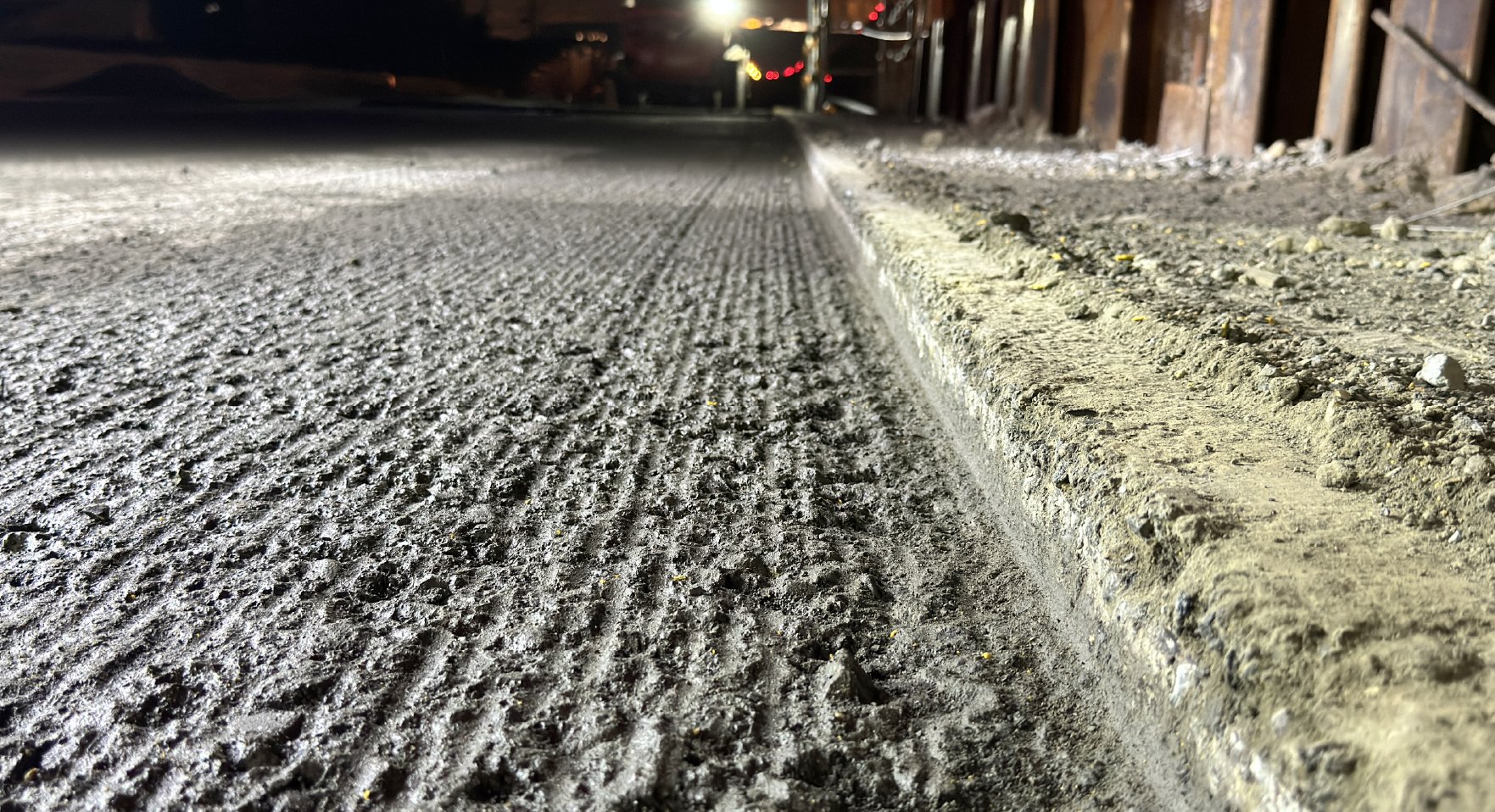
Cold planing is controlled milling used to restore pavement to a specified profile and leave a uniform textured surface. Public cold milling specifications also require accurate depth, profile, and cross slope, and require the surface to be swept clean before opening to traffic.
Reference URLs: https://www.arra.org/page/coldplaning ; https://cdn.ymaws.com/www.arra.org/resource/resmgr/docs/ARRA_CP101__12-22-16.pdf ; https://www.transportation.alberta.ca/Content/docType245/Production/3-016-02.pdf
What Protector Skids Actually Affect
| What protector skids affect | What the crew notices first | Why it matters |
|---|---|---|
| Machine support and stability | Machine feels less planted | Harder to run confidently |
| Milling depth stability | Depth takes more babysitting | Higher inconsistency risk |
| Operator correction rate | More small corrections | Slower, more tiring pass |
| Edge and transition control | Tight work feels less forgiving | More risk near curbs, covers, and changes |
| Profile confidence | Cut feels less repeatable | Higher chance of recheck or rework |
| Hidden operating cost | Job feels slower before anything breaks | Cost rises before failure looks obvious |
That is why protector skids should not be checked only for “present or missing.” In real field conditions, they are part of the machine’s support and depth-control environment.
Reference URLs: https://parts.cat.com/en/catcorp/590-6091 ; https://parts.cat.com/en/catcorp/product/590-2724 ; https://parts.cat.com/en/catcorp/590-2937 ; https://www.deere.com/en/attachments-accessories-and-implements/construction-attachments/compact-construction-attachments/planers/cold-planers/
Why Protector Skids Matter to Depth Stability
This is the core point of the article: protector skids help create the support environment that depth control depends on.
A lot of crews think depth problems come from controls, operator technique, drum setup, or cutting tools. Sometimes that is true. But skid-related parts also affect support, stability, alignment, smooth operation, profile following, and precise depth control.
That means milling depth is not only a control-system issue. It is also a machine-support issue. If protector skids wear unevenly, crack, curl, distort, or lose stable contact, the machine can stop feeling settled even before anyone calls it a failure.
- more small corrections
- less confidence in holding depth
- more caution on transitions
- weaker control near edges
- a job that feels “off” even before anything dramatic fails
Reference URLs: https://parts.cat.com/en/catcorp/590-6091 ; https://parts.cat.com/en/catcorp/product/590-2724 ; https://parts.cat.com/en/catcorp/590-2937 ; https://www.wirtgen-group.com/en-us/products/wirtgen/technologies/leveling-technology/ ; https://www.wirtgen-group.com/en-us/products/wirtgen/technologies/leveling-technology/leveling-systems/ ; https://www.wirtgen-group.com/en-us/products/wirtgen/technologies/cold-milling/
The Job Feels Worse Before It Looks Broken
Protector skid issues usually do not announce themselves with one dramatic failure first. More often, crews notice a pattern:
- the machine feels less planted
- the cut takes more babysitting
- operators start making more little corrections
- edge work feels less forgiving
- production pace gets more cautious
- the machine still runs, but the pass feels less clean and less confident
That is exactly why protector skids get overlooked. The symptoms show up downstream, but the root cause can sit quietly in support/contact wear geometry.
Reference URLs: https://www.deere.com/en/attachments-accessories-and-implements/construction-attachments/compact-construction-attachments/planers/cold-planers/ ; https://parts.cat.com/en/catcorp/590-6091 ; https://parts.cat.com/en/catcorp/product/590-2724
Why “Protection Only” Is the Wrong Way to Think About Them
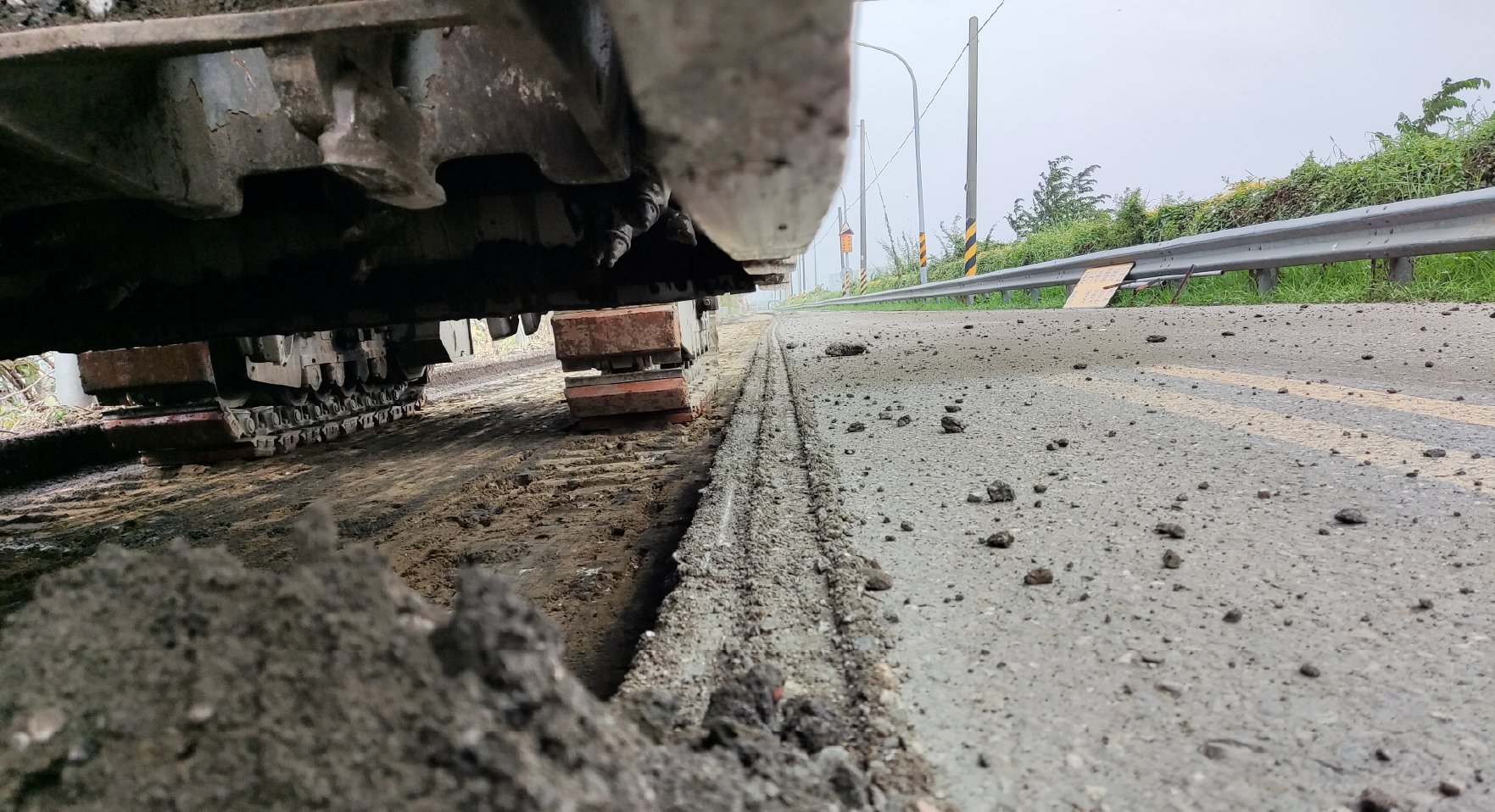
Calling protector skids “just protection parts” creates weak maintenance habits. It leads crews to ask, “Are they still there?” instead of asking the questions that actually matter:
- Are they still wearing evenly?
- Is left-right wear still balanced?
- Is contact still stable?
- Does the machine still feel planted?
- Is depth still holding without extra chasing?
That mindset shift matters. Once skid condition declines, the machine often becomes harder to run well long before anyone decides the part has officially failed.
Reference URLs: https://parts.cat.com/en/catcorp/590-6091 ; https://parts.cat.com/en/catcorp/product/590-2724 ; https://parts.cat.com/en/catcorp/590-2937
What Poor Protector Skid Condition Can Cost You
1) Lower production confidence
When the machine feels less stable, the operator backs off. That reduces real output even if the machine is technically still cutting.
2) More operator correction
More steering and grade correction means more hidden friction in the pass. That costs time and consistency.
3) Weaker depth and profile control
If the cut is harder to hold, the risk of a weaker surface result goes up. That can mean more rechecking, more touch-up, or more rework.
4) More closeout pressure
If the pass feels less controlled, cleanup and reopening confidence suffer. Public specifications explicitly require the surface to be swept clean before traffic opens.
5) More wear and maintenance exposure elsewhere
Public product literature for larger cold planers shows that ski-related wear components are designed to reduce wear and maintenance. That supports the practical conclusion that when these protective/support surfaces stop doing their job well, wider wear and maintenance burden can rise.
| Problem | What happens on the job | Cost impact |
|---|---|---|
| Machine feels less planted | Operator slows down | Lower m² per hour |
| More correction input | Pass takes more attention | Higher labor friction |
| Harder-to-hold depth | More inconsistency risk | More recheck / rework exposure |
| Weaker edge control | Tight areas get harder | Slower closeout |
| Lower pass confidence | Crew gets cautious | Higher cost per m² |
| More operating friction | Other wear burden can rise | More maintenance exposure |
Reference URLs: https://www.transportation.alberta.ca/Content/docType245/Production/3-016-02.pdf ; https://parts.cat.com/en/catcorp/590-6091 ; https://parts.cat.com/en/catcorp/product/590-2724 ; https://parts.cat.com/en/catcorp/590-2937 ; https://s7d2.scene7.com/is/content/Caterpillar/CM20241203-71711-3e7d5
Early Warning Signs to Watch
Do not wait for dramatic failure. Watch for:
- uneven left-right wear
- visible cracking
- curling edges
- distortion
- abnormal contact condition
- the machine feeling less settled
- more operator correction than usual
- weaker control on transitions
- tight work becoming more frustrating
- slower production pace without an obvious reason
If several of these signs show up together, treat them as one system warning—not random small annoyances.
Reference URLs: https://parts.cat.com/en/catcorp/590-6091 ; https://parts.cat.com/en/catcorp/product/590-2724 ; https://parts.cat.com/en/catcorp/590-2937
Quick Diagnosis Map
| Symptom | Likely overlooked cause | First check | Next move |
|---|---|---|---|
| Machine feels less planted | Protector skid wear / unstable contact | Compare left-right wear | Check skids before changing settings |
| Depth gets harder to hold | Support-side instability | Look for uneven wear, distortion, cracking | Rule out skid issues before blaming controls |
| More small corrections | Machine no longer feels settled | Ask when operators first noticed it | Fix root support issue first |
| Edge work feels less forgiving | Weak side-contact stability | Inspect skid condition near side-contact area | Restore stable contact before retuning process |
| Job feels slower without breakdown | Hidden loss of confidence in the pass | Review correction rate and skid wear | Inspect support geometry early |
Reference URLs: https://parts.cat.com/en/catcorp/590-6091 ; https://parts.cat.com/en/catcorp/product/590-2724 ; https://www.deere.com/en/attachments-accessories-and-implements/construction-attachments/compact-construction-attachments/planers/cold-planers/ ; https://cdn.ymaws.com/www.arra.org/resource/resmgr/docs/ARRA_CP101__12-22-16.pdf ; https://www.transportation.alberta.ca/Content/docType245/Production/3-016-02.pdf
A 5-Minute Protector Skid Check
Before the shift or after the first pass, check these:
- left-right wear symmetry
- visible cracks or curls
- distorted edges
- abnormal contact wear
- operator comments about unstable feel
- whether depth feels harder to hold than usual
- whether transitions and edges feel less forgiving
This is a fast field check, not a lab inspection. The goal is simple: catch the problem while it still looks “small.”
Reference URLs: https://parts.cat.com/en/catcorp/590-6091 ; https://parts.cat.com/en/catcorp/product/590-2724 ; https://www.deere.com/en/attachments-accessories-and-implements/construction-attachments/compact-construction-attachments/planers/cold-planers/
Main Takeaway
Protector skids are not minor parts in real milling performance. They help the machine stay stable enough to hold depth, reduce correction, improve edge control, protect production confidence, and keep hidden cost from building up early.
When they decline, the machine may still run—but the job often gets slower, harder, and more expensive before it looks obviously broken.
Subscribe to Everpads for more road construction part insights.
FAQ
What do protector skids do in a cold milling machine?
Protector skids help provide stable support and contact behavior during milling. In practice, that means they influence how planted the machine feels, how well it follows the surface, and how confidently it holds the intended cut.
Can worn protector skids affect milling depth stability?
Yes. If protector skid wear becomes uneven or unstable, the machine can feel less settled, which makes depth harder to hold consistently—especially on transitions, edges, and changing surface conditions.
Why does the machine feel less planted during milling?
One overlooked cause is degraded protector skid condition. When support and contact behavior become less stable, operators often notice a “different” machine feel before a dramatic failure appears.
Why are operator corrections increasing during the cut?
Because the machine may no longer be holding the cut as confidently as before. More corrections are often a symptom that support-side wear has started to create instability.
Can worn protector skids make profile or cross-slope control harder?
Yes. Accurate depth, profile, and cross slope all depend on the machine staying controlled and settled enough to carry the cut cleanly.
Can worn protector skids increase hidden cost even before failure?
Yes. They can slow production confidence, increase correction time, raise closeout pressure, and increase wider wear and maintenance exposure before anything dramatic happens.