.png?width=698&height=417&name=%E5%AE%98%E7%B6%B2logo%20(1).png)


04. May. 2026
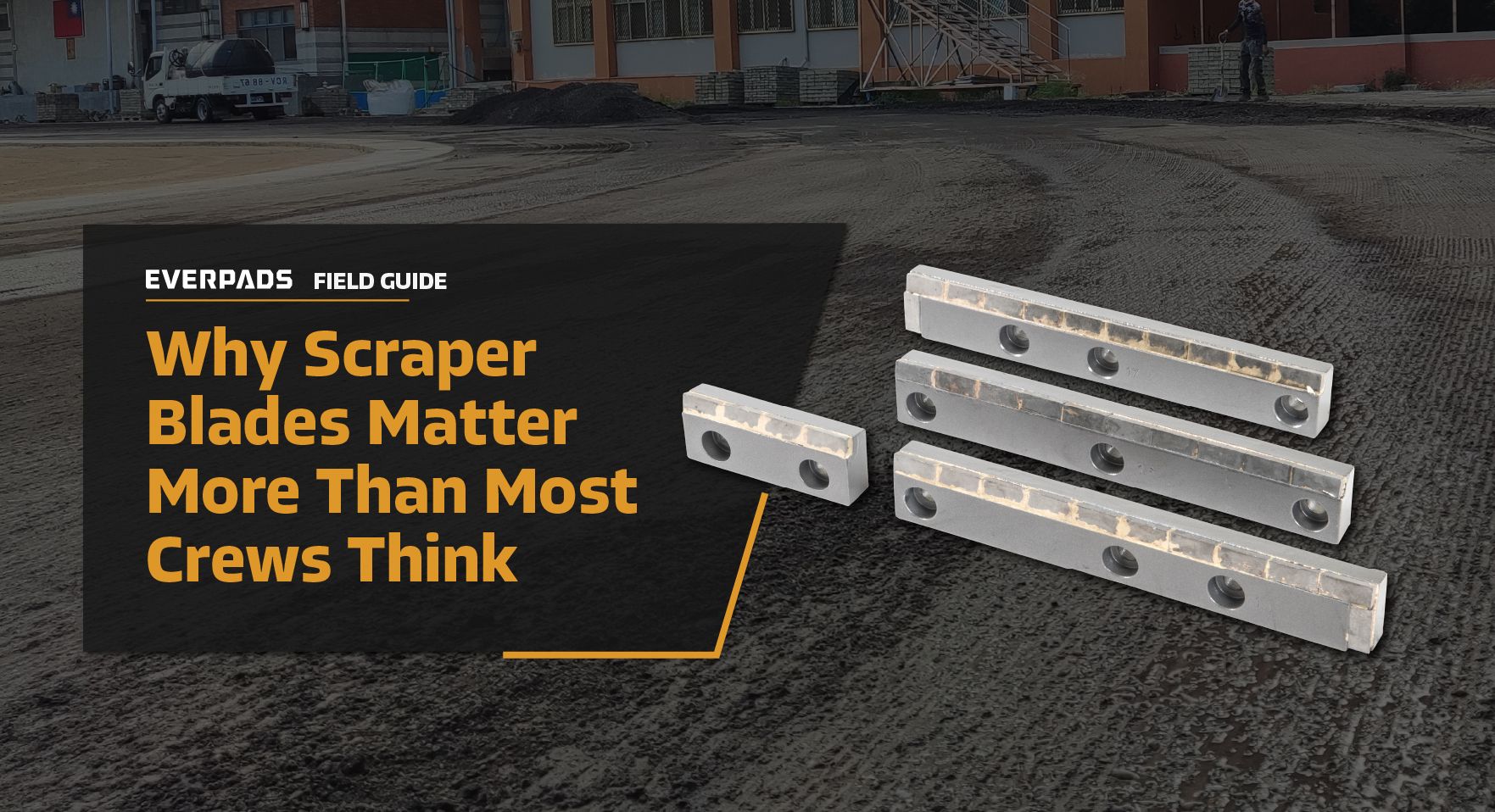
You can replace teeth, tune settings, and still lose the night—because some of the most expensive milling problems start in the parts crews rarely blame first.
In real cold milling work, scraper blades do far more than scrape away leftovers. They influence chamber sealing, material flow, trailing finish quality, cleanup burden, and the hidden cost of getting the lane closed out on time.
Scope note: In this article, “scraper blades” means milling chamber and tailgate scrapers only, not track scrapers or undercarriage scrapers.
Table of Contents
Scraper blades do more than scrape.
In cold milling, they help:
- seal the milling chamber
- help milled material move away more cleanly
- reduce residue behind the machine
- improve trailing finish quality
- protect cleanup time, closeout pace, and hidden job cost
When scraper condition drops off, the machine may keep cutting—but the job often gets dirtier, slower, rougher, and more expensive to close out.
Reference URLs: https://parts.wirtgen-group.com/ocs/en-global/parts/milling-drum-housings-223-c/ ; https://www.wirtgen-group.com/en-us/products/wirtgen/technologies/cold-milling/
Why Contractors Should Care
Contractors do not get paid for “the machine still cuts.” They get paid for restoring the intended profile, keeping the surface controllable for the next step, managing cleanup, and reopening traffic without unnecessary delay.
That is why scraper blades matter. If chamber sealing gets weaker and material evacuation gets messier, the job often starts to lose time in the exact places crews hate most: leftovers, sweeping, finish quality, and closeout.
Cold planing is controlled milling used to restore pavement to a specified profile and leave a uniform textured surface. Public specifications also require accurate depth, profile, and cross slope, and in some cases require the surface to be swept clean before opening to traffic.
Reference URLs: https://www.arra.org/page/coldplaning ; https://www.transportation.alberta.ca/Content/docType245/Production/3-016-02.pdf ; https://standards.transport.nsw.gov.au/_entity/annotation/ea1f7e5e-bc6b-ed11-81ac-000d3ae011f9
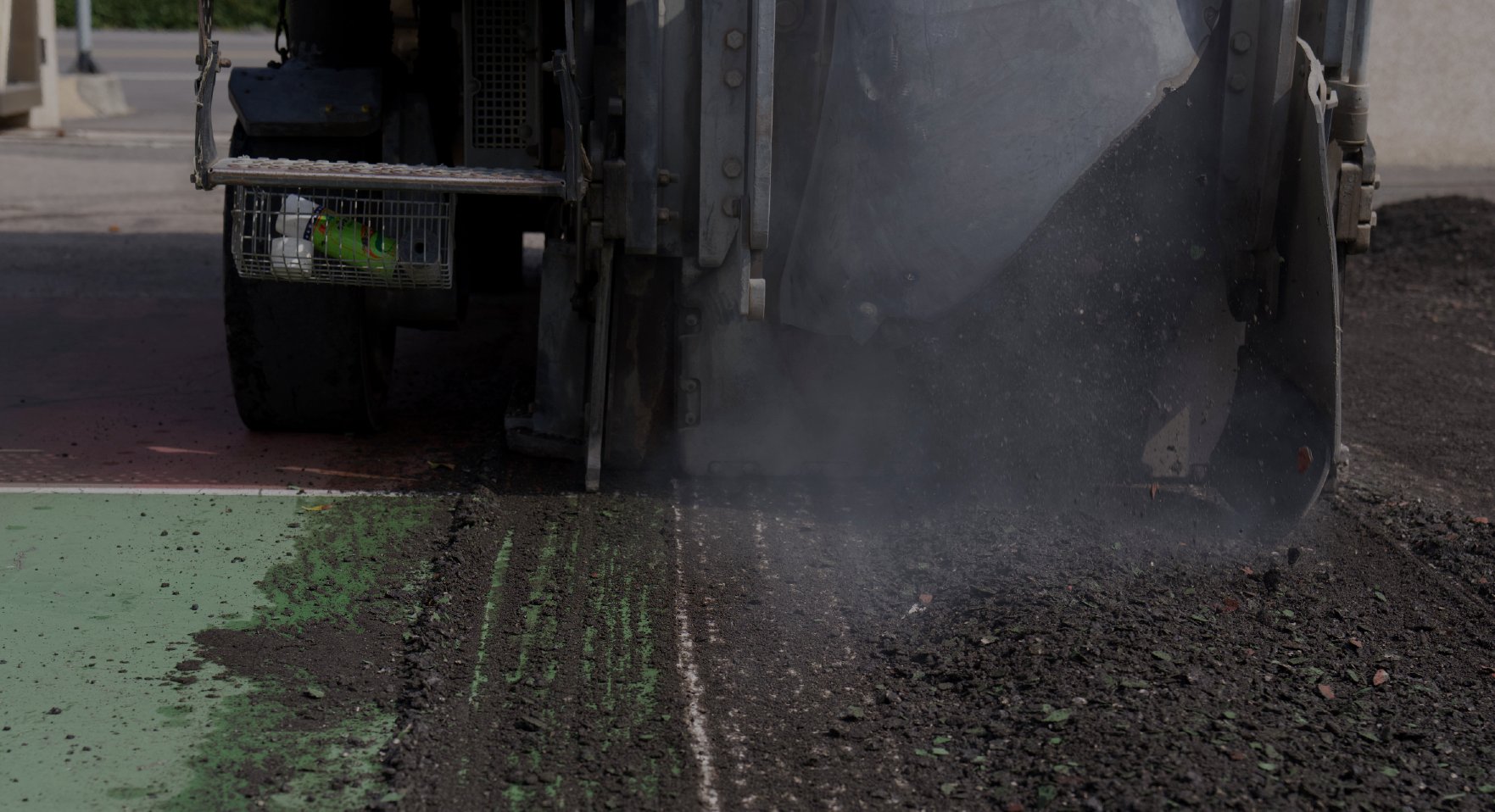
What Scraper Blades Actually Affect
| What scraper blades affect | What the crew notices first | Why it matters |
|---|---|---|
| Milling chamber sealing | The rear of the machine looks dirtier | Material control gets weaker |
| Material evacuation | More leftovers and messier flow | Cleanup takes longer |
| Trailing finish quality | The milled surface looks rougher | Harder to close out confidently |
| Residue control behind the machine | More sweeping and rework | Higher hidden labor cost |
| Chamber running condition | The machine feels dirtier or heavier | Wider wear risk can rise |
That is why scraper blades should never be treated as “just cleanup parts.” In real field conditions, they help control chamber order, material flow, finish quality, and closeout speed.
Reference URLs: https://parts.wirtgen-group.com/ocs/en-global/parts/milling-drum-housings-223-c/ ; https://www.wirtgen-group.com/en-us/products/wirtgen/technologies/cold-milling/
What Good Looks Like
When scraper blades are doing their job well:
- residue stays controlled
- the rear of the machine looks cleaner
- material flow looks more orderly
- cleanup stays predictable
- the trailing milled surface looks more controlled
Good scraper performance is really controlled chamber behavior plus controlled residue behavior. That is what “good” should look like in the field.
Reference URLs: https://parts.wirtgen-group.com/ocs/en-global/parts/milling-drum-housings-223-c/
Early Warnings Crews Should Not Ignore
The first signs are usually subtle:
- leftover millings increase
- the trailing area looks rougher
- material behavior near the rear gets messy
- cleanup crews start taking longer
- chamber or rear behavior looks dirtier than usual
These are not random annoyances. They are often the first signs that sealing or scraping contact is slipping.
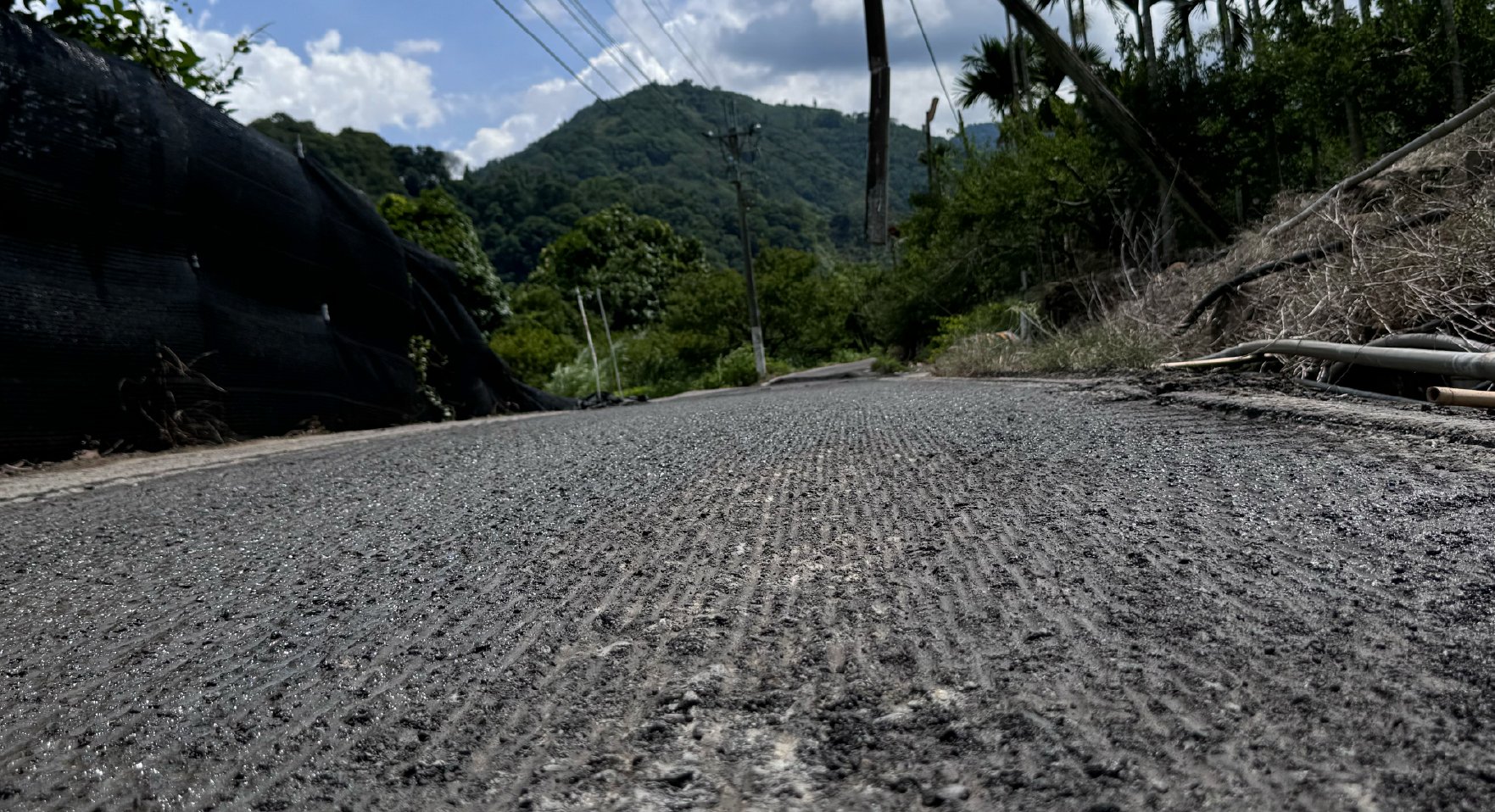
Common Failure Modes
Worn scraper edge
The blade no longer controls residual material effectively.
Poor sealing
Material control inside the chamber gets weaker.
Inconsistent scraping contact
Some sections clean better than others, which makes finish and cleanup less predictable.
Incomplete residual control
The machine leaves behind more material than it should.
Why Chamber Sealing Matters
Chamber sealing is not cosmetic. It is one of the reasons the machine can move material away cleanly instead of running in a dirtier, leakier, more residue-heavy condition.
When sealing drops off, loose material can stay where it should not, leakage can increase, residue can remain near the cutting zone longer, and flow can become less orderly. The result is not always a dramatic blockage. More often, it is a chronic messy-running condition that quietly steals time.
In practice, that can also raise wider wear risk. This should not be overstated as a guaranteed one-step failure path, but a dirtier and less controlled chamber environment can contribute to more irregular load, rougher running feel, and greater wear exposure elsewhere in the system.
Reference URLs: https://parts.wirtgen-group.com/ocs/en-global/parts/milling-drum-housings-223-c/ ; https://www.wirtgen-group.com/en-us/products/wirtgen/technologies/cold-milling/ ; https://www.warrencat.com/wp-content/uploads/2025/08/Cat-Cold-Planer-Parts-Reference-Guide.pdf
The Hidden Cost Chain
| Problem | What happens on the job | Cost impact |
|---|---|---|
| Poor scraper control | More leftovers behind the machine | More sweeping and cleanup labor |
| Poor sealing | Messier chamber behavior | Slower closeout and weaker control |
| Rougher trailing finish | More doubt about paving-readiness | More recheck or touch-up pressure |
| Dirtier running chamber | The job feels heavier and less efficient | Higher hidden time loss |
Most parts logs track replacements. They do not track cleanup drag, slower closeout, rougher finish, or the cost of working through a dirtier chamber environment. That is why the part itself is often cheaper than the time it quietly burns.
Reference URLs: https://www.transportation.alberta.ca/Content/docType245/Production/3-016-02.pdf ; https://standards.transport.nsw.gov.au/_entity/annotation/ea1f7e5e-bc6b-ed11-81ac-000d3ae011f9 ; https://parts.wirtgen-group.com/ocs/en-global/parts/milling-drum-housings-223-c/
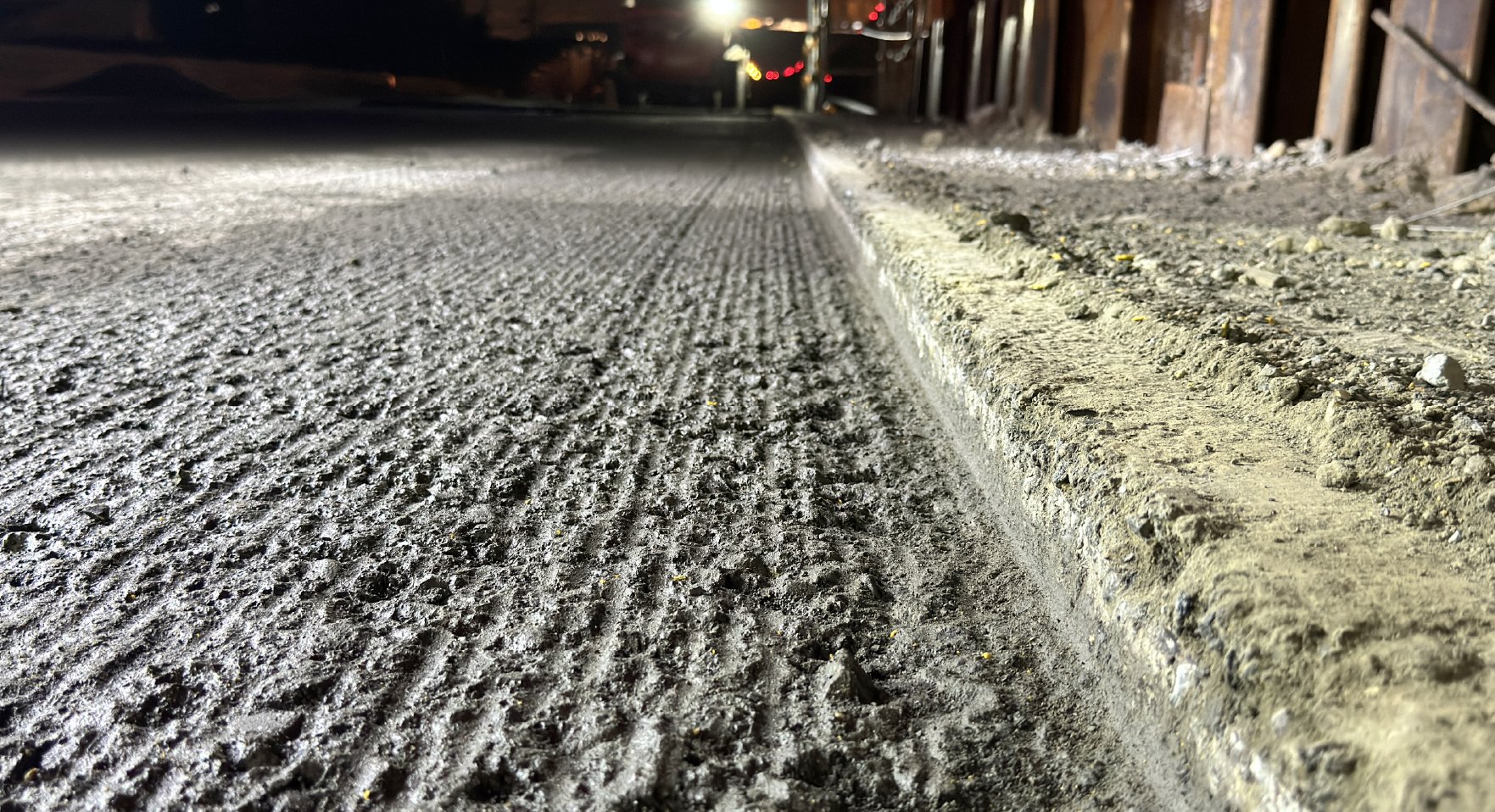
Quick Diagnosis Map
| Symptom | Likely overlooked cause | First check | Next move |
|---|---|---|---|
| Leftovers are increasing | Scraper edge wear or weaker sealing | Check edge condition and first-pass residue pattern | Restore scraping and sealing before retuning settings |
| Cleanup time keeps rising | Residual control is slipping | Check residue distribution and rear finish condition | Fix the scraper problem before accepting normal delay |
| The trailing finish looks rougher | Poor scraping contact | Check contact pattern and residue behavior | Separate finish-control issues from primary cutting issues |
| The machine feels heavier or dirtier | Poor chamber sealing | Check for leakage, residue retention, and side/rear mess | Rule out poor chamber control before blaming only teeth or operator technique |
A 5-Minute Scraper Blade Check
Before the shift or after the first pass, check these:
- scraper edge condition
- first-pass residue pattern
- signs of uneven scraping contact
- rear and side mess compared with normal
- whether cleanup crews are taking longer
- whether the machine feels dirtier or heavier than usual
This is a fast field check, not a lab inspection. The goal is simple: catch the loss of chamber control before it becomes a schedule problem.
Main Takeaway
Scraper blades are not minor cleanup parts in real milling performance. They help seal the chamber, control residue, support cleaner material evacuation, improve trailing finish, and reduce hidden closeout cost.
When they decline, the machine may still cut—but the job often gets dirtier, slower, rougher, and more expensive before it looks obviously broken.
Subscribe to Everpads for more road construction part insights.
FAQ
What do scraper blades do in a cold milling machine?
Scraper blades help seal the milling chamber, guide milled material away more cleanly, reduce residue behind the machine, and smooth the milled surface.
Why are leftover millings increasing behind the machine?
One overlooked cause is scraper blade wear or poor scraping contact. When the scraper stops controlling residual material well, the machine can leave more leftovers behind.
Can worn scraper blades affect milling finish?
Yes. Scraper function is directly tied to smoothing the milled surface, so when scraper performance drops, the trailing finish can look rougher or less controlled.
Why is cleanup taking longer after milling?
Cleanup often takes longer when scraper blades are no longer controlling residue well. More leftover material behind the machine means more sweeping, slower closeout, and more labor drag.
Can poor chamber sealing increase wear elsewhere?
In practice, yes. Poor sealing can create a dirtier and less controlled chamber environment, which can increase irregular load, rougher running feel, and wider wear exposure elsewhere in the milling system.
What should crews check before changing settings again?
Crews should first check scraper edge condition, residue pattern, scraping contact, rear and side mess, and whether the machine feels dirtier or heavier than usual.